India:
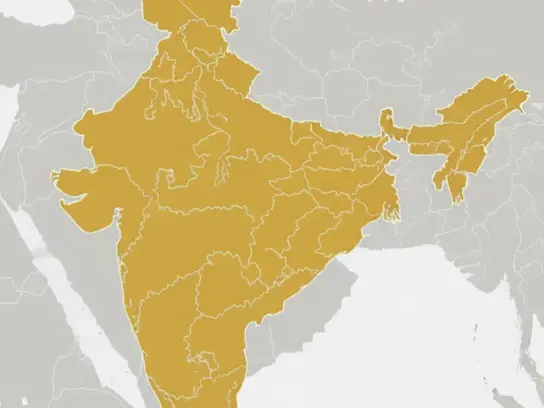
Terre des Hommes Germany started its work in India in 1976, following the end of the Vietnam War, to support children in need. Originally focused on relief and institutional support, the program soon shifted towards community-based development and empowering marginalized groups. The first office was opened in Pune, and over the years, regional centers were established to expand outreach across the country. Today, Terre des Hommes Germany works closely with more than 80 local partners in 18 states in India, promoting children's rights and supporting the most vulnerable communities. To broaden the impact of its initiatives, Terre des Hommes Germany – India (TDH G-I) supplements its own funds with significant co-financing from various donors. BMZ, a key partner, supports large-scale projects focused on child rights, education, livelihoods, women's empowerment, and youth development. Corporate partners— including DACHSER—finance projects related to child protection, vocational training, education, and climate action. These funds either bolster existing budgets or make additional thematic projects possible. The VW Employees' Foundation, for instance, funds vocational skill development programs for youth. Moreover, TDH G-I collaborates with other Terre des Hommes International Federation members, such as TDH France, as well as German partners like Misereor and Bread for the World, to co-finance projects. These collaborations have strengthened efforts in areas such as anti-child labor campaigns, disaster response, and community empowerment—ensuring a broad, sustained impact across India.
Nepal:
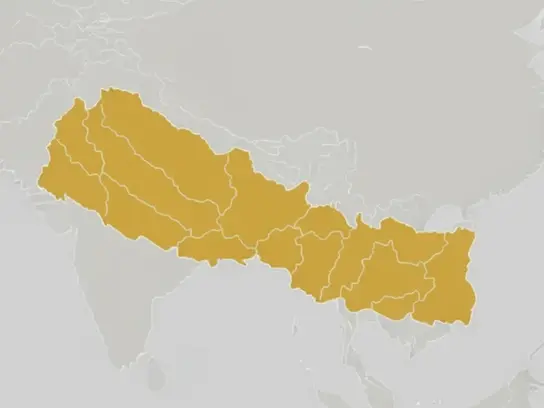
Since its beginnings in India, Terre des Hommes Germany has worked with partners to combat child labour and trafficking, recognizing early on the urgent need for cross border cooperation, especially with Nepal. In 1998, TDH initiated a partnership with Maiti Nepal, focused on preventing child trafficking and supporting affected children. The work is largely co-financed by BMZ Germany, Misereor, and Dachser Intelligence Logistics. BMZ funds projects on livelihoods, women's rights, education, and youth development. Misereor supports women's empowerment and gender equality in western Nepal. Dachser is currently partnering with us on a major initiative to reduce carbon emissions in Nepal. Currently TDH Germany is working with 7 partners in 4 provinces in Nepal.
Afghanistan:
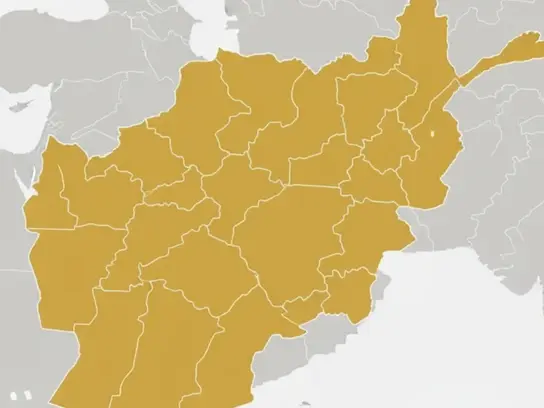
Afghanistan joined the South Asian Association for Regional Cooperation (SAARC) in 2008, and since 2016, Terre des Hommes Germany has supported projects across several Afghan provinces. Initial priorities included education, skills training, employment, child labour rehabilitation, and peacebuilding. With the changes in 2021 restricting education for women, our focus shifted to livelihoods and adult literacy, while continuing technical and academic support for male students. Most projects are co-financed by BMZ, with some cross-border initiatives involving Pakistan and Tajikistan. Dachser Intelligent Logistics also supports projects, particularly those benefiting youth and children in Afghanistan. TDH Germany is supporting12 partners..
Tajikistan:
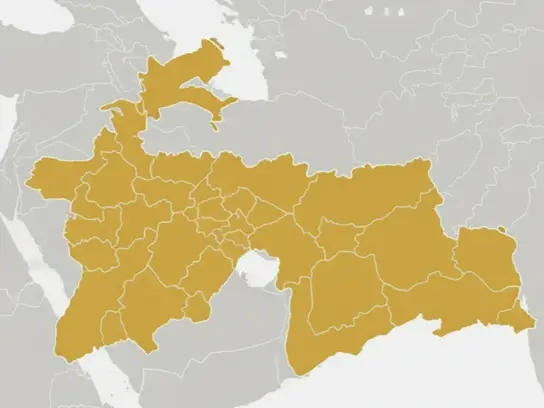
In mid-2021, uncertainty around the future of international NGOs in Afghanistan prompted Terre des Hommes Germany (TDH) to seek new ways to support Afghan children and refugees. With millions fleeing to neighbouring countries, TDH expanded its work to Tajikistan, aiding both Afghan refugees and the local host communities. Starting in late 2021, TDH partnered with local organizations and continues to assist refugees and host communities in Tajikistan through both direct aid and cross-border projects. Expanding quickly from small rehabilitation projects to a broader program. Key areas now include language and integration support, skills training, income generation, and health care for both refugees and host communities. Focusing on border regions like Khatlon and Badakhshan, TDH partners with organizations to improve agriculture, local infrastructure, and promote eco-tourism in the Pamir mountains. Currently the project support extends to 5 partners.